
 Loan Calculator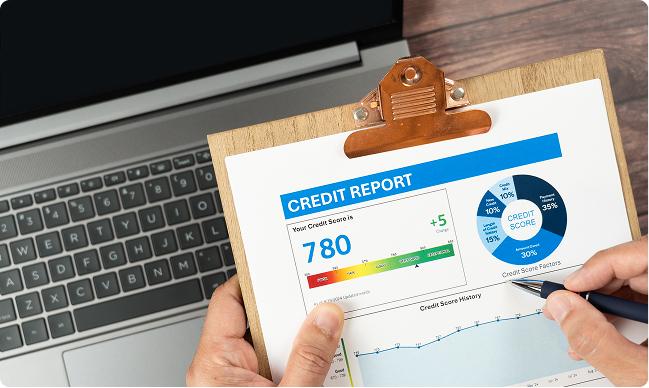
How to Build Credit While Paying Off Debt
Building credit while paying off debt might sound like a contradiction—after all, debt can drag your score down. But with smart strategies, you can tackle both simultaneously. A strong credit score (above 700) opens doors to better loan terms, lower insurance rates, and even job opportunities. In this blog, we'll explore proven methods to reduce debt without sacrificing credit health, drawing from expert insights and practical steps.
Understanding credit scores is key. FICO scores, the most common, factor in payment history (35%), amounts owed (30%), length of credit history (15%), new credit (10%), and credit mix (10%). Paying off debt positively impacts "amounts owed" by lowering utilization, but closing accounts can hurt history length.
Start by prioritizing debts. Focus on high-interest ones first (debt avalanche method) to save money, or smallest balances (debt snowball) for motivation. Pay minimums on all, then extra on the target. For credit building, ensure on-time payments—set autopay to avoid misses, as late payments tank scores for seven years.
Keep utilization low. Aim for under 30% on credit cards. If paying off a card, don't close it; keep it open with occasional small use (like a subscription) and pay in full. This maintains history and available credit.
Build positive habits. Use credit-builder loans: Borrow a small amount (e.g., $500), held in savings, and repay monthly—reported to bureaus, boosting scores. Or become an authorized user on a family member's good-standing card.
Monitor progress. Check scores free weekly via Credit Karma or annually at AnnualCreditReport.com. Dispute errors promptly.
Budget rigorously. Track income/expenses with apps like Mint. Cut non-essentials to free cash for debt. Side hustles can accelerate payoff.
Consolidate wisely. A balance transfer card with 0% intro APR lets you pay principal without interest, but watch fees (3-5%). Debt management plans via nonprofits can negotiate lower rates.
Avoid new debt. Limit inquiries—too many signal risk.
Long-term: Diversify credit with installments (auto loans) alongside revolving (cards).
Case study: John had $8,000 card debt at 18% utilization 80%. He paid aggressively, kept cards open, added a builder loan—score rose from 620 to 720 in a year.
Patience is vital; rebuilding takes 3-6 months for noticeable changes, years for optimal.
In summary, balance debt reduction with credit-friendly actions like timely payments and low utilization. With discipline, you'll emerge debt-free with excellent credit.


