
 Loan Calculator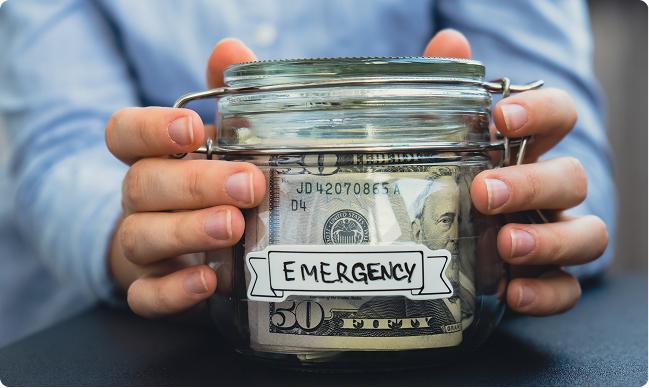
Emergency Loan Tips: What to Know Before You Borrow
Emergencies strike without warning—a car breakdown, medical bill, or job loss can derail finances. Emergency loans provide quick cash, but borrowing impulsively can lead to regret. This guide covers essentials: types, pros/cons, eligibility, and smart borrowing tips to protect your wallet and credit.
What are emergency loans? They're short-term personal loans for urgent needs, often unsecured, with funds in 1-2 days. Amounts range $100-$50,000, terms 3-60 months. Types include payday (high-interest, due next paycheck), installment (fixed payments), or lines of credit (draw as needed).
Pros: Fast approval, no collateral for many, flexible use. Cons: High APRs (10-400%+ for payday), fees, and debt traps if not repaid promptly.
Before borrowing, exhaust alternatives: Emergency fund (aim for 3-6 months expenses), family help, or community aid. Sell items or gig work for cash.
Assess need: Is it truly urgent? Differentiate wants from needs.
Shop lenders: Banks/credit unions offer lower rates (6-36%) for good credit; online lenders faster but pricier. Avoid payday lenders unless desperate—their 400%+ APRs are predatory.
Check eligibility: Lenders review credit (soft pull first), income (stable job/proof), DTI under 40%, age 18+, U.S. residency. Bad credit? Some approve but with higher rates.
Understand costs: APR includes interest/fees. Example: $1,000 at 20% APR over 12 months costs $110/month, total $1,320.
Repayment plan: Borrow only what you can repay. Use budgets to allocate funds. Miss payments? Fees and credit damage ensue.
Impact on credit: Hard inquiries drop score 5-10 points temporarily; on-time payments build it, defaults hurt.
Application tips: Gather ID, pay stubs, bank info. Apply online for speed. Read fine print—no hidden fees.
Post-loan: Pay early if possible, track via app.
Example: Lisa faced a $2,000 vet bill. She got a 12% personal loan, repaid in 6 months, avoiding credit card interest.
In closing, emergency loans are lifelines but use judiciously. Build savings to minimize future needs. Financial literacy empowers better decisions.


